What to consider when specifying aluminum strip for transformer windings, from dimensions to material checks.
What Is Transformer Aluminum Strip?
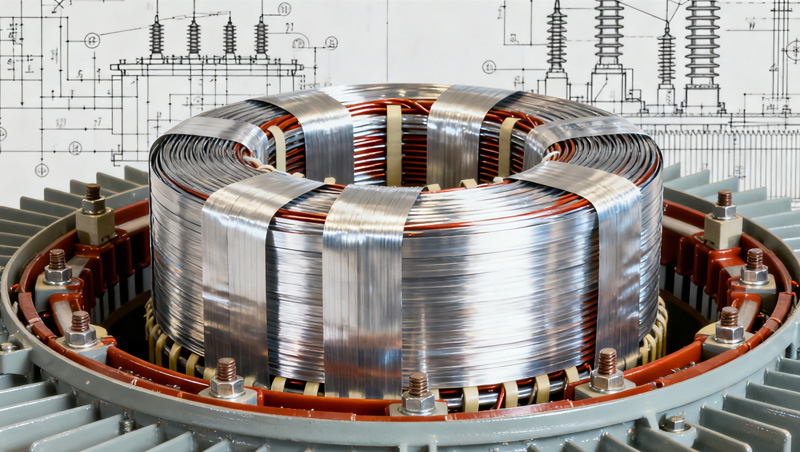
Transformer aluminum strip is rolled and slit for use as a winding conductor. Consistent thickness, width and edge condition matter because the strip is wound in close layers and used with an insulation system.
The source article explains that material grade and temper are selected to meet the electrical and forming needs of the winding design.
Why the Material Is Chosen
Aluminum combines electrical conductivity with relatively low weight. Its use in a transformer still depends on conductor dimensions, heat management, winding construction and connection details.
The guide compares aluminum with copper as a design choice rather than a direct one-for-one substitute. The winding geometry and full transformer specification determine the result.
Specify the Strip Clearly
The original article calls out alloy, temper, thickness, width and edge treatment as variables to confirm. Requirements may also refer to a material standard, surface condition and dimensional tolerances.
These details should be matched to the insulation method and production process. Smooth, controlled edges help avoid damage to nearby insulation during winding.
Applications and Verification
The article lists distribution, dry-type and oil-immersed transformers among applications, along with reactors and related electrical equipment.
Dimensional checks and relevant electrical and mechanical tests are part of reviewing a winding-material order. The applicable values should come from the confirmed grade and purchase specification.