A practical introduction to dry-type construction, insulation systems, applications and selection factors.
What Makes a Transformer Dry-Type
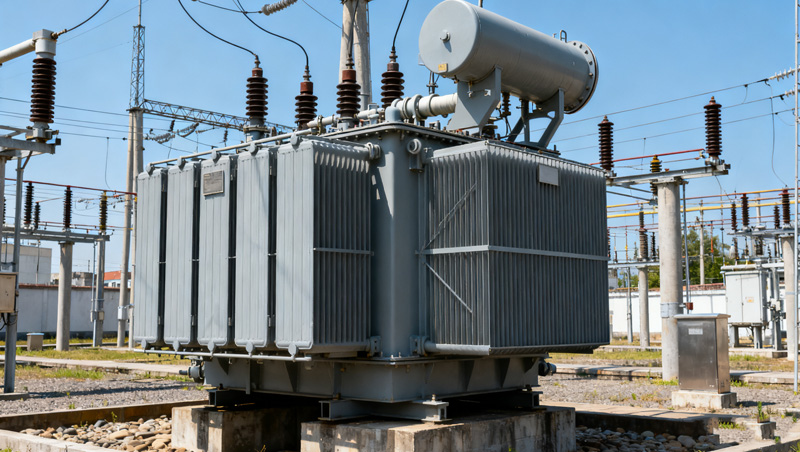
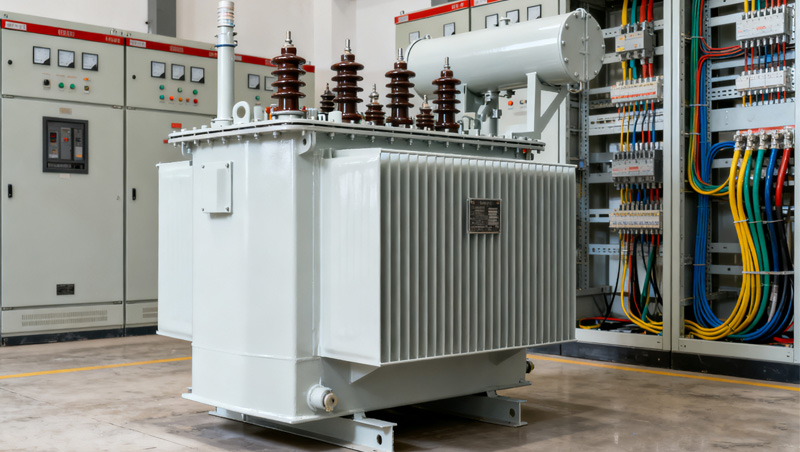
Dry-type transformers use solid insulation and air circulation rather than an oil-filled tank. The source guide describes them as common choices for indoor low- and medium-voltage installations where site conditions affect the use of liquid insulation.
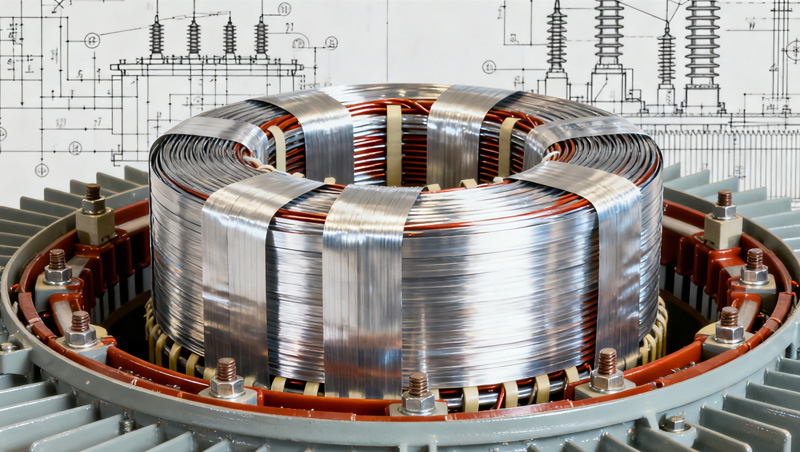
Their main parts still include a magnetic core and primary and secondary windings. Insulation, cooling method and enclosure design determine how the equipment is protected and operated.
Construction and Insulation Options
The original guide describes cast-resin windings, vacuum-pressure-impregnated windings and open-wound designs. These approaches differ in how the winding is insulated and protected from its environment.
Natural or forced air movement removes heat. Ventilation and clearances therefore need to be considered alongside enclosure protection and the available installation space.
Applications and Selection
The guide identifies commercial buildings, industrial premises, critical infrastructure and underground transport settings as examples. The appropriate design depends on load, voltage, environment, noise and fire-related project requirements.
Selection should also account for cooling, enclosure, access for inspection and the applicable project specification. A nameplate rating alone does not describe every installation requirement.
Installation and Upkeep
Dry-type equipment needs suitable airflow, a clean installation space and inspections appropriate to its design. The guide covers periodic checks of insulation condition, connections and ventilation.
Provide layout drawings and operating conditions with an enquiry so the equipment and its enclosure can be reviewed together.