How oil insulation and cooling shape transformer design, typical applications and maintenance considerations.
How an Oil-Type Transformer Works
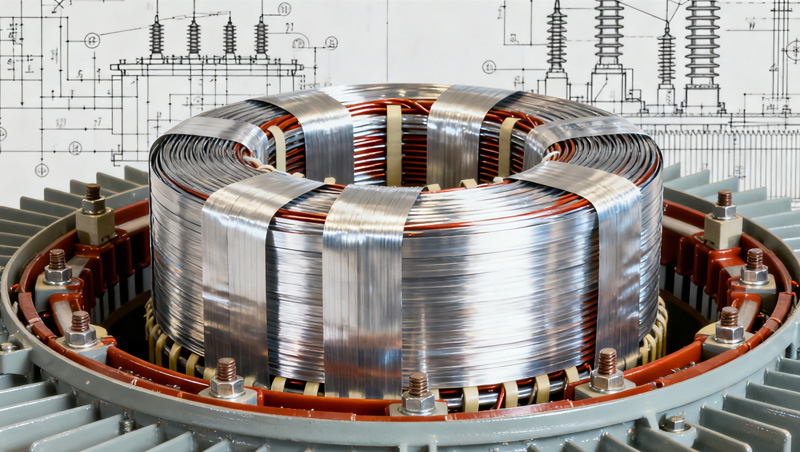
Alternating current in the primary winding creates a changing magnetic field in the core. That field induces voltage in the secondary winding, allowing electrical energy to move between voltage levels.
Insulating oil surrounds the active parts. It provides electrical insulation while carrying heat from the core and windings toward the tank and cooling surfaces.
Features and Configuration Choices
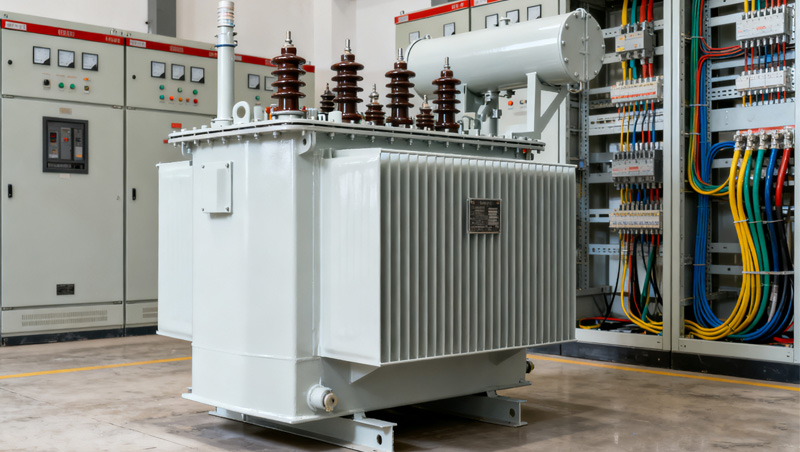
The combination of oil insulation and heat dissipation makes oil-filled designs suitable for many distribution and higher-load duties. The source article distinguishes designs by application, phase arrangement and cooling method.
A suitable configuration depends on system ratings, the installation environment and the way heat will be managed. The exact product data should be checked against the selected transformer model.
Where Oil-Filled Transformers Are Used
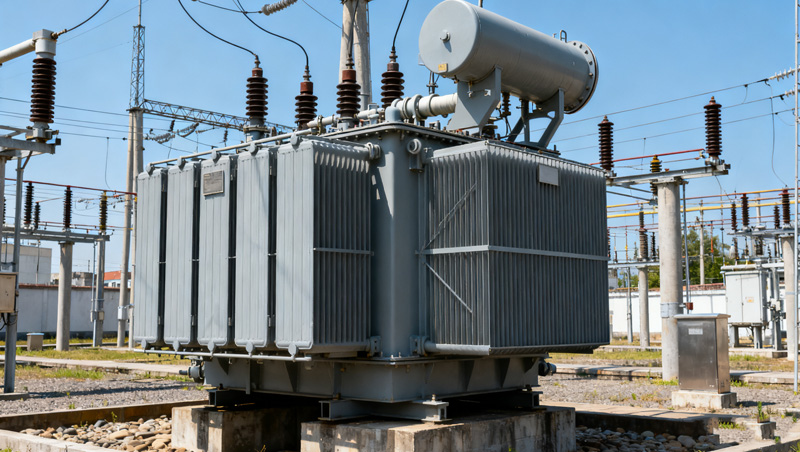
The original guide describes use in power generation and substations, industrial facilities, and rural or remote distribution networks. Each setting brings different load, access and operating requirements.
Compared with dry-type equipment, oil-filled transformers use a liquid insulation and cooling system. Site conditions, fire considerations, space and maintenance access all influence the selection.
Oil Filling and Maintenance
The guide treats correct oil filling and ongoing inspection as part of long-term reliability. Oil condition, leaks, temperature and associated components should be reviewed under the applicable maintenance procedure.
For a project enquiry, share the electrical ratings, duty, installation conditions and required documentation so the transformer configuration can be checked as a whole.