A guide to transformer insulation materials and the conditions that influence their selection.
The Role of Insulation
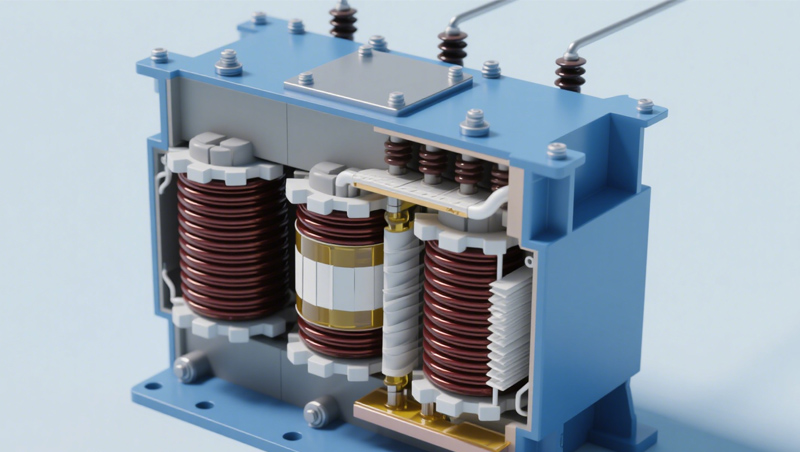
Transformer insulation separates energized parts, supports the winding structure and contributes to thermal management. Its design helps prevent unwanted contact between conductors and grounded components.
The source guide describes insulation as a system rather than one material: solid parts, liquid or air insulation, and the surrounding transformer design work together.
Common Material Families
The article discusses cellulose-based materials and transformer oil, along with other solid and liquid insulation options used for different duties. Selection depends on electrical strength, temperature capability, moisture behavior and compatibility.
Different materials may be used for winding, barrier and structural functions. A material suitable for one part of a transformer cannot automatically be applied to another.
Why the Choice Matters
Insulation degradation can contribute to partial discharge, hot spots and eventual equipment failure. The guide therefore links material choice to operating life, maintenance and reliability.
Voltage and power rating, the installation environment, thermal load and cooling method all influence which insulation system is appropriate.
Build the Selection Brief
The source article recommends considering site conditions, sustainability requirements, maintenance access and life-cycle cost as well as initial material price.
For a specific order, share the transformer design or drawing, intended duty and relevant standards so insulation materials can be matched to the actual application.