A guide to magnet wire conductors, insulation choices and applications in electrical equipment.
What Is Magnet Wire?
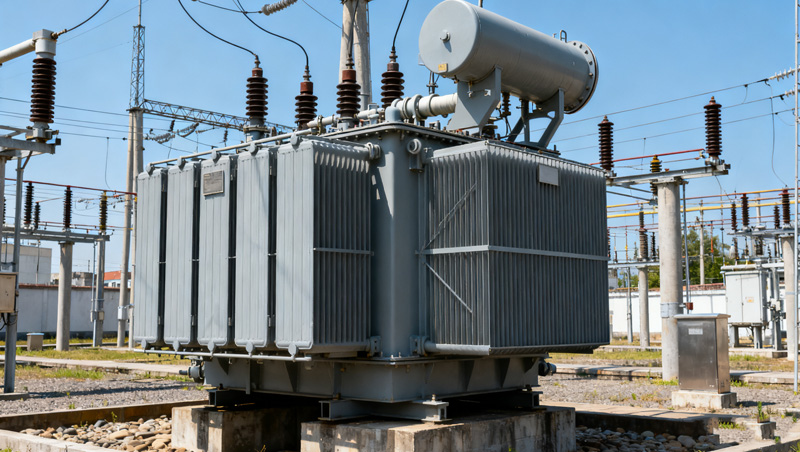
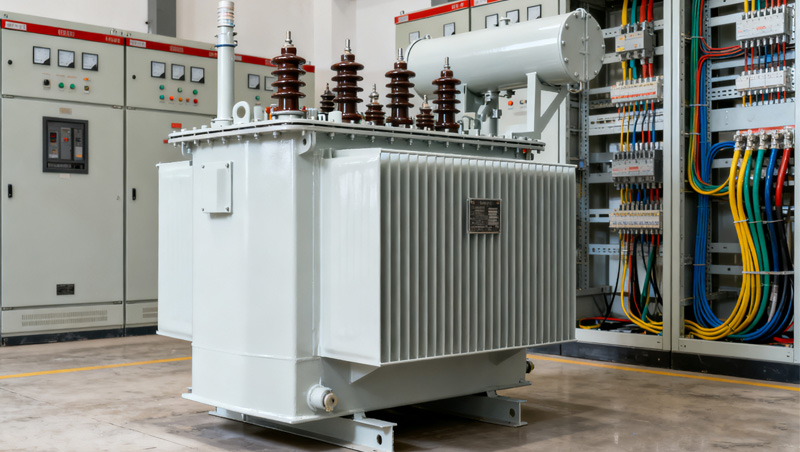
Magnet wire is an insulated copper or aluminum conductor used to form coils. The source article describes its use in transformers, electric motors, inductors, generators and solenoids.
A thin insulating layer keeps adjacent turns electrically separate while allowing the conductor to be wound into the required shape.
How Magnet Wire Is Classified
The guide groups magnet wire by conductor material, insulation type and temperature rating. Copper and aluminum bring different conductivity, weight and cost characteristics to a winding design.
Insulation materials include enamel systems such as polyurethane and polyester. The required thermal class and dielectric performance depend on the equipment and its operating conditions.
Shapes and Typical Uses
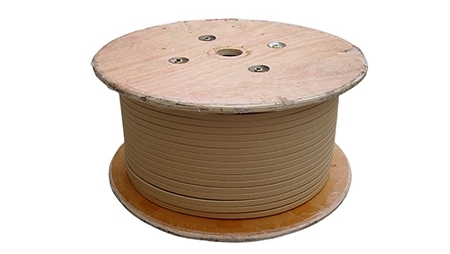
Round, rectangular and flat conductors support different coil arrangements. The article links conductor form to the space available and the electrical duty of the winding.
Transformer coils, motor windings, inductors and solenoids all use magnet wire, but their conductor size, insulation and temperature needs are not identical.
Information to Confirm
The original article references IEC 60317 and NEMA MW 1000 among standards relevant to winding wire. A specification should identify the applicable standard, conductor material, dimensions and insulation system.
Share the intended equipment, winding process and thermal requirements when requesting a material match.