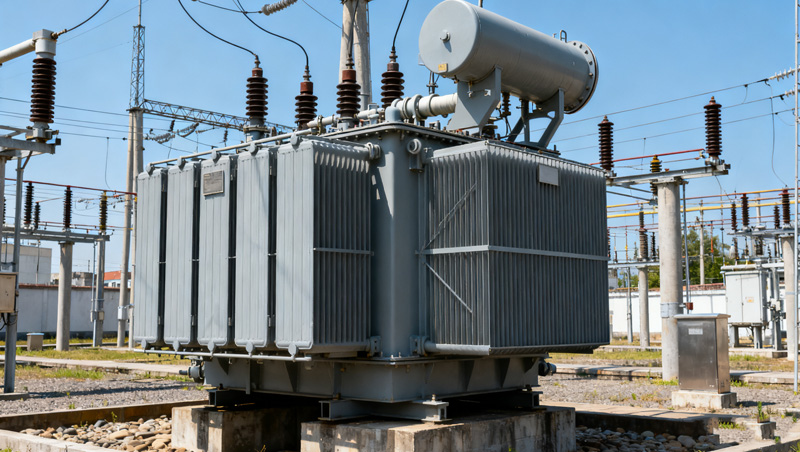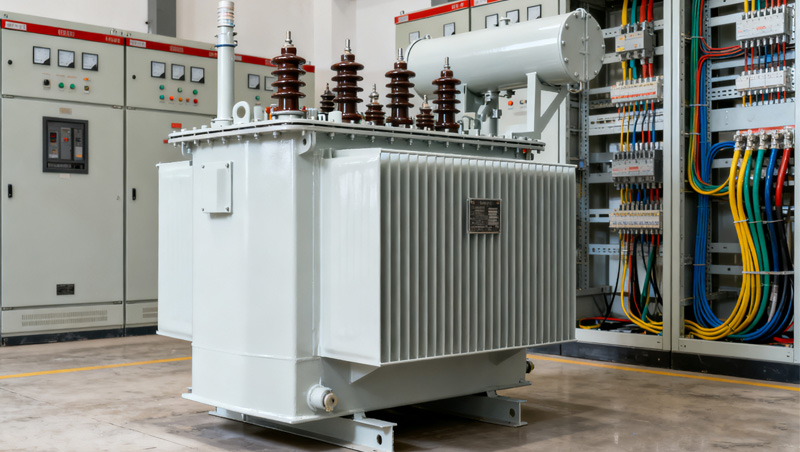
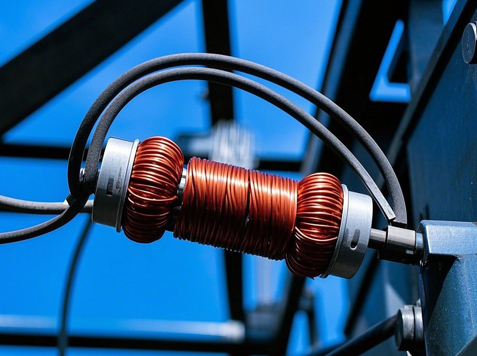
A comparison of copper and aluminum winding conductors and the factors behind a suitable choice.
The Job of Winding Wire
Insulated winding conductors form the transformer coils that transfer energy through electromagnetic induction. Conductor material and insulation affect electrical loss, temperature and mechanical behavior.
The source article frames the choice around the whole winding design, including current, dimensions and the demands of the installation.
Copper and Aluminum
Copper offers high electrical conductivity and can support a compact winding design. Aluminum is lighter and can offer a different material-cost balance, but its lower conductivity generally calls for a different conductor cross-section.
Neither material can be selected from price alone. The article compares electrical performance, weight, mechanical properties and the design changes required for each option.
Operating and Life-Cycle Factors
A conductor choice affects winding geometry, thermal performance and connection design. Installation quality and maintenance also influence the service life of either material.
The guide recommends considering initial cost together with energy losses and reliability requirements over the intended operating period.
Information for Specification
State the transformer type, ratings, winding arrangement and applicable standards. If a replacement or design change is planned, include drawings and connection details.
The final conductor grade, size and insulation should be confirmed against the transformer design and the selected manufacturer's technical documentation.